Mastering FCP Workflow: From Scratch Audio to Final Mix
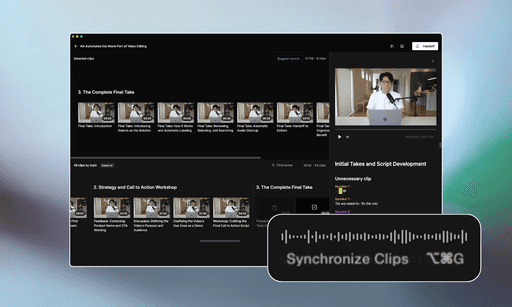
A truly efficient Final Cut Pro workflow is a chain where every link is strong. The weakest link is often the transition from raw footage—with low-quality scratch audio—to a synchronized timeline ready for the final mix. Mastering this transition is the key to knowing how to use final cut pro effectively.
The goal is to ensure that the initial technical setup supports a seamless creative phase later on. A bad sync means hours spent cleaning up errors instead of focusing on the final sound and picture.
The Importance of Scratch Audio
Scratch audio, the low-quality sound recorded by the camera, is vital for waveform analysis. Even though you won't use it in the final mix, its presence allows FCP (or an AI tool) to align the external high-quality audio.
Avoid Deleting Too Soon
Never delete the camera's scratch audio until after you have successfully synchronized the external audio. Without that reference point, FCP has nothing to compare against during the sync attempt.
The Sync Failure Pain Point
The process often stalls because of the mismatch between the scratch audio (44.1kHz or poor quality) and the professional external audio (48kHz). This is the biggest cause of final cut audio sync not working.
Conversion is Mandatory
If you know your scratch audio or any recording is 44.1kHz, you must convert it to 48kHz. This standardization across all your media is the only way to satisfy FCP’s stringent sync requirements.
Organizing for the Final Mix
Once synced, you should perform immediate organization. Detach the original scratch audio from the synced clip and disable it, leaving only the high-quality external audio active for the final mix.
Auditioning Audio
Final Cut Pro allows you to audition different audio roles (dialogue, music, effects). Make use of these roles to keep your timeline organized for the person who will be doing the final sound mix.
The Workflow Acceleration with AI
For high-volume content, manually managing conversions and scratch audio is too slow. This is where AI automation accelerates the entire workflow.
Auto-Role Assignment
Tools like Selects by Cutback not only sync the clips but can also assign roles automatically. They prepare the timeline with the correct 48kHz audio and clean up the unnecessary tracks, ready for the final edit and mix.
Conclusion
A robust workflow requires respecting the needs of both the sync engine and the final mix. By diligently managing sample rates and utilizing smart tools to clean up the scratch audio, you create a foundation that supports fast, high-quality production.